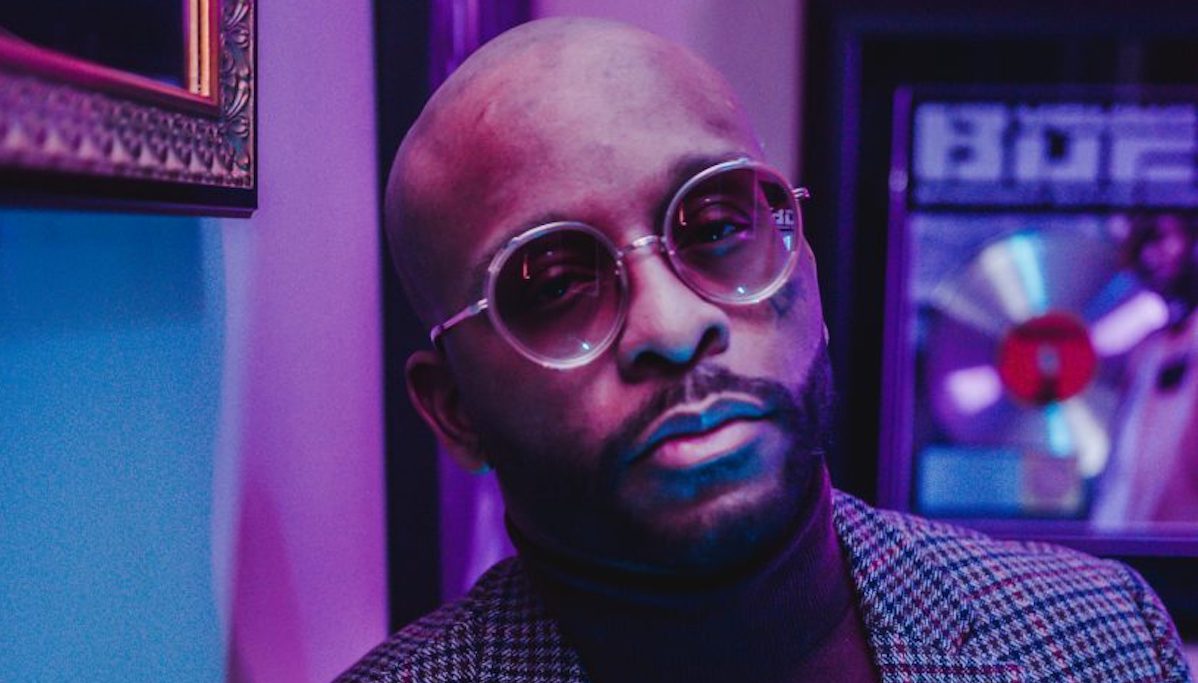
In today’s Hip-Hop landscape, longevity is rare. Reinvention is even rarer. Royce 5’9” has managed both.
In a wide-ranging conversation with Ambrosia For Heads on its What’s The Headline podcast, Royce and his longtime business partner Kino Childrey break down a career that has evolved from Detroit battle rap to a fully realized, independent ecosystem built on ownership, discipline, and forward-thinking strategy.
Defining Grown Man Rap
Royce has long been associated with what AFH calls “Grown Man Rap,” but for him, the term is less about age and more about responsibility.
“I feel like as an artist, you have a responsibility to grow. If you’re 40 years old and you’re still rapping about the same things you were rapping about at 19, you’re not doing the culture a service,” Royce says.
That philosophy shapes how he moves within the culture. Growth, for Royce, is a requirement.
It also informs what he chooses not to do. When the topic of Verzuz comes up, Royce makes it clear he has little interest in revisiting the past through competition. His focus is on building something that lasts.
Ownership as Freedom
One of the most significant shifts in Royce’s career has been his commitment to ownership, particularly buying back his masters.
“When you own your masters, you own your voice. You’re not asking for permission to be successful anymore,” Royce explains.
That shift is mirrored in the business structure he and Kino have built over the last 25 years. Their partnership has been shaped by both creative alignment and strategic discipline, which has allowed them to navigate multiple eras of the industry without losing control. As independent artists take on more responsibility for their business operations, tools like a free invoice generator can also help streamline payments and keep financial management organized.
The Heaven Experience and Building Beyond Music
Royce and Kino’s most ambitious venture is The Heaven Experience, a metaverse-based platform designed to deepen the relationship between artist and audience.
“We wanted to build something that the fans could actually step into,” Kino says. “It’s not just about the music; it’s about the environment and the community we’ve built over 25 years.”
In an era where artists are increasingly dependent on platforms they do not control, The Heaven Experience represents an attempt to create a direct-to-fan ecosystem that is immersive, owned, and scalable.
Slaughterhouse and the Cost of Misalignment
Despite the forward momentum, the conversation also revisits one of the most public fractures in Royce’s career: the breakup of Slaughterhouse.
“It hurt because it wasn’t just business. It was brotherhood. When the lines get blurred and people start moving for the wrong reasons, that’s when the foundation cracks,” Royce says.
The takeaway is not just about one group. It is about the fragility of partnerships when incentives are not aligned.
For Royce, the experience reinforces the importance of clarity, both creatively and financially.
A 25-Year Partnership Built on Friction
At the center of Royce’s evolution is his relationship with Akino Childrey, a partnership that has lasted more than two decades.
“Kino is the person who tells me what I need to hear, not what I want to hear,” Royce says. “Every artist needs that one person who isn’t afraid to challenge the vision to make it better.”
Kino echoes that sentiment, framing conflict as a necessary part of growth.
“We’ve had some of our biggest arguments right before our biggest breakthroughs. You have to be willing to go through that friction to get to the gold.”
That dynamic—creative tension paired with mutual trust—is what has allowed the partnership to endure.
Longevity as a Lifestyle
Royce’s longevity is not just the result of talent or business acumen. It is also the product of intentional lifestyle changes.
“You can’t be a ‘Head’ if you’re not taking care of the body that carries it,” Royce says.
That mindset reflects a broader shift within Hip-Hop, where artists are increasingly prioritizing wellness, discipline, and long-term sustainability.
For Royce, staying sharp lyrically is directly tied to how he lives off the mic.
The Blueprint Moving Forward
From buying back his masters to building in the metaverse, Royce 5’9” is designing a model for how artists can evolve within Hip-Hop.
His journey—from battle rap to business ownership—illustrates what becomes possible when an artist treats growth as both a creative and strategic imperative.